
Dubai launches driverless pods linking metro stations
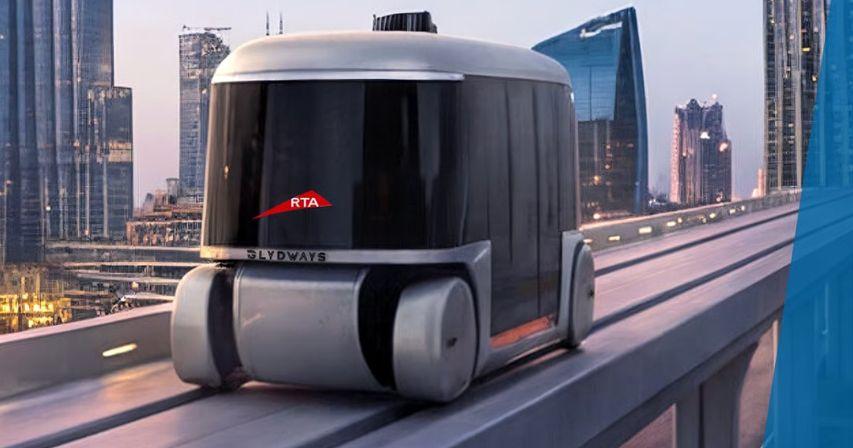
Traveling in and around Dubai may soon be a breeze, without traffic. On Tuesday, the transport authority unveiled a network of small driverless electric vehicles that run on narrow dedicated tracks and do not make them subject to normal congestion.
The system, known as Revolutionize Urban Mobility, was unveiled at the World Government Summit (WGS) 2026 currently underway in Dubai where a prototype was showcased. According to a display board at the summit, it would be built across four places in the city and connect metro stations with other localities.
The offering in four locations -- Bluewater Island, Umm Suqeim, Al Quoz and Dubai Festival City -- will provide goose-bumped last-mile transport services. But when it comes to the specifics of exactly when that initiative will start or end, remains unclear. For the Bluewater route, a TT2 system extending 1.75 miles (2.8km) from National Paints metro station to Bluewater Island is being considered. This will be the trial route.
In Umm Suqeim, the track will run for 1.9km between Mall of the Emirates metro station and Madinat Jumeirah. In Al Quoz, the driverless track will extend 2.6km from the Onpassive metro station to Alserkal Avenue and Times square Centre. The longest line will provide service for the Dubai Festival City area, which will be 7km long and possibly connected to the Dubai Metro Blue Line in the future.
Urban mobility pods
E-Flex systems, an enclosed pod capable of seating four to six people for a range of up to 250km on a single charge. It will run at 50km per hour and be able to carry over 10,000 passengers each hour in either direction.
The prototype displayed the space where passengers could present tickets and ask for help. Near the door, next to a big handle to make it easier for people to be made to move, is an SOS button.
Created by California-based company Glydways, the system will operate with autonomous driving and as a result provide cost savings. Capital needed will be 90 per cent less, while operating costs could be 70 per cent less.
The firm says its electric vehicles travel along dedicated lanes that are the width of a bike lane. They can be placed on the side of existing roads, whether at grade or underground, without additional tracks or wiring. Small guideways can grow with the city.
Glydways has been in talks since last year with Dubai and Abu Dhabi to try to roll out its autonomous mass transit system. In November, the company inked a temporary agreement with the Abu Dhabi Investment Office to consider bringing its innovative transit systems to parts of Abu Dhabi.


Comments